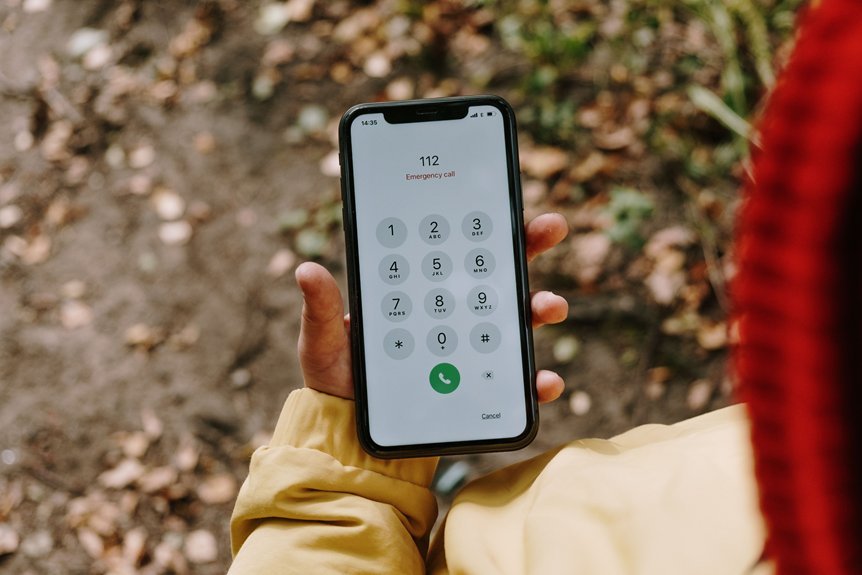
The piece examines a practical solution guide addressing the 480-481-1846 pain point and everyday difficulties. It outlines quick-start actions to curb spam and misdirected calls, then details building a repeatable system for blocking, routing, and recovery. It emphasizes verified sources, caller-ID hygiene, and basic authentication to deter spoofing, alongside noise reduction and automated routing that preserve privacy. It leaves the reader with a clear tension: a modular, auditable process that demands disciplined maintenance and vigilance.
What Makes 480-481-1846 a Pain Point to Solve
The number 480-481-1846 presents a persistent challenge because it intersects multiple, often incompatible, expectations: reliability, privacy, and user-friendly access.
The situation demands steady performance without compromising security or simplicity.
Noise reduction and call routing emerge as focal tools, balancing disruption with reach.
This tension highlights design constraints and motivates streamlined, disciplined approaches to restore trust and operational clarity.
Quick-Start Actions to Stop Spam and Misdirected Calls?
Quick-start actions to stop spam and misdirected calls emphasize practical, implementable steps. The approach surveys spam tactics and parries with simple, disciplined routines. It favors verified sources, cautious sharing, and endpoint reviews. Streamlined call routing reduces exposure, while caller-ID hygiene and basic authentication deter spoofing. Results depend on consistent maintenance, transparent policies, and disciplined implementation rather than complex, opaque systems.
Build a Repeatable System: Blocking, Routing, and Recovery
How can organizations instantiate a repeatable system for blocking, routing, and recovery that scales with threat dynamics and operational demands? The approach emphasizes modular practices and measurable outcomes. Blocked caller insights guide refinement, while routing automation tactics shorten decision cycles. Procedures document repeatable steps, enable rapid recovery, and maintain audit trails, ensuring resilient defenses and freedom to adapt without chaos.
Protect Yourself: Scams to Watch For and Best-Practice Safeguards
Organizations must recognize common scam vectors, assess their impact on people and systems, and implement concrete safeguards to disrupt attackers’ techniques.
The piece outlines scam awareness as a foundational mindset, detailing concrete actions to verify identities, protect sensitive data, and avoid social engineering traps.
It emphasizes safeguard practices: layered authentication, continuous monitoring, rapid incident response, and clear user guidance for responsible, freedom-preserving resilience.
Frequently Asked Questions
How Can I Verify a Legitimate Call From 480-481-1846?
To verify a legitimate call from 480-481-1846, one should verify caller ID spoofing and analyze call origination; the process involves cross-referencing with trusted records, carrier traces, and independent confirmation methods to ensure authenticity.
What Legal Steps Protect Against Robocall Spam?
Approximately 90% of robocalls are blocked with robust privacy compliance and user consent frameworks. Legal steps protect against spam by enforcing Do Not Call lists, breach penalties, and strict telemarketing disclosures aligned with consumer rights and transparency.
Can Mobile Carriers Offer Proactive Call-Blocking Settings?
Yes, mobile carriers can offer proactive blocking through carrier settings. By enabling proactive blocking, users reduce spam calls automatically, while carrier settings provide ongoing updates and customization, supporting freedom from unwanted interruptions and preserving control over communication.
Do Call-Forwarding Changes Affect Existing Security Measures?
Call-forwarding changes can undermine certain protections; call forwarding risks exist and may alter security implications. The analysis notes potential exposure and must be considered alongside existing safeguards, ensuring users balance autonomy with vigilance regarding security implications.
What Data Ethics Considerations Apply to Call-Blocking Tools?
Data ethics govern call-blocking tools by ensuring transparency, consent, and minimization of data collection; safeguards must protect user autonomy. Call blocking implications include minimizing profiling and avoiding biased filtering, with clear disclosure of data use for informed decisions and accountability.
Conclusion
The guide presents a clear, repeatable path to reducing spam and misdirected calls, with verified sources, hygiene-first caller ID, and basic authentication to curb spoofing. It emphasizes modular, auditable procedures and threat-aware training, backed by practical recovery routines. By prioritizing trust, clarity, and disciplined maintenance, organizations can stay resilient amid evolving threats. Like a well-tortured compass, the system keeps operations steady while steering clear of disruptive misdirections.